"I want to buy a home, but where do I even start?" If you're feeling overwhelmed, you're not alone. Buying your first home is one of life's biggest financial decisions—and New Jersey has unique rules, costs, and processes that can trip up even prepared buyers. This guide breaks down everything you need to know, from that first conversation with a lender to getting the keys to your first home.
Phase 1: Preparation (3-6 Months Before Buying)
Step 1: Check Your Credit Score
Your credit score determines whether you can get a mortgage and what interest rate you'll pay. In New Jersey, you'll typically need:
- 620+ for conventional loans
- 580+ for FHA loans (with 3.5% down)
- 680-700+ for the best rates
Action: Get your free credit reports from AnnualCreditReport.com. Dispute any errors and pay down high-interest debt to improve your score before applying.
Step 2: Calculate Your Budget
Before you fall in love with a home, know what you can afford. The general rule: your monthly housing payment shouldn't exceed 28-31% of your gross monthly income.
Example: If you earn $8,000/month, your housing payment (principal, interest, taxes, insurance) should be $2,240-$2,480 maximum.
Don't forget: Property taxes in NJ are among the highest in the nation. In Middlesex County, the average effective tax rate is 2.3%, which means ~$5,750 annually on a $250,000 home—$479/month just for taxes!
Step 3: Save for Down Payment & Closing Costs
Down payment minimums:
- Conventional loans: 3-20% down
- FHA loans: 3.5% down
- NJ HMFA programs: As low as 3% down for first-time buyers
Closing costs in NJ: Expect 2-5% of the home's price. On a $400,000 home, that's $8,000-$20,000 in addition to your down payment.
Action: Open a dedicated high-yield savings account for your home fund. Automate monthly transfers to build consistency.
Phase 2: Getting Pre-Approved (2-3 Months Before Buying)
Why Pre-Approval Matters
Pre-approval isn't optional in NJ's competitive market. Sellers won't take your offer seriously without it. Pre-approval means a lender has reviewed your finances and committed to lending you a specific amount.
Pre-qualification vs. Pre-approval:
- Pre-qualification: Quick estimate based on self-reported data
- Pre-approval: Verified by lender, requires documentation, carries weight with sellers
Documents You'll Need
- Last 2 years of tax returns
- Last 2-3 months of bank statements
- Last 30 days of pay stubs
- W-2s or 1099s for the past 2 years
- IDs (driver's license, Social Security card)
- Explanation of any large deposits or credit issues
First-Time Buyer Programs in NJ
NJ HMFA (Housing and Mortgage Finance Agency): Offers down payment assistance up to $10,000 and below-market interest rates for first-time buyers.
FHA Loans: Great for buyers with lower credit scores or smaller down payments, but includes mortgage insurance premiums.
Conventional 97: Just 3% down, but requires private mortgage insurance (PMI) until you reach 20% equity.
Phase 3: Finding the Right Agent
Why You Need a Buyer's Agent
In NJ, the seller typically pays both agents' commissions. That means you get professional representation for free. A good buyer's agent will:
- Access homes before they hit Zillow/Redfin
- Negotiate price and contingencies on your behalf
- Recommend inspectors, lenders, and attorneys
- Explain contracts and protect your interests
- Help you avoid costly mistakes
Questions to Ask Potential Agents
- How many first-time buyers have you worked with?
- What's your strategy for multiple offer situations?
- How often will you communicate with me?
- Do you specialize in my target areas?
Phase 4: The Home Search
Creating Your Must-Have List
Separate "needs" from "wants." Your list might look like:
Needs: 3 bedrooms, 2 bathrooms, good school district, within 30-minute commute
Wants: Granite countertops, hardwood floors, garage, fenced yard
Reality check: In Middlesex County's $500K-$700K range, you'll likely need to compromise on wants. Focus on location and condition—cosmetics can be changed later.
Making the Most of Showings
- Take photos and notes after each showing
- Check water pressure by flushing toilets and running faucets
- Look for ceiling stains (water damage)
- Open cabinets and check storage space
- Visit at different times of day to check noise, lighting, and neighborhood activity
- Ask about utility costs, age of systems, and recent repairs
Red Flags to Watch For
- Strong odors (especially mold, pet urine, or heavy air fresheners trying to mask smells)
- Fresh paint on just one wall (often covering water damage)
- Sagging gutters or roof lines
- Cracks in foundation walls
- Reluctance from sellers to provide inspection reports
Phase 5: Making an Offer
Understanding NJ Offer Components
Your offer will include:
- Purchase price: What you're willing to pay
- Escrow/deposit: Typically 1-2% held in trust
- Contingencies: Inspection, financing, appraisal
- Closing date: Usually 30-60 days from acceptance
- Included/excluded items: Appliances, fixtures, furniture
Competitive Offer Strategies
In a seller's market: Consider offering slightly above asking, waiving minor contingencies, or including an escalation clause (automatically increases your offer up to a maximum if there are competing bids).
Always keep: Inspection contingency (never skip this!) and financing contingency.
Phase 6: Inspections & Due Diligence
The Home Inspection
Cost: $400-$600 in NJ
What it covers: Structural, electrical, plumbing, HVAC, roof, foundation, and safety systems
What to do: Attend the inspection. Ask questions. Take notes. Request clarifications for any issues found.
NJ-Specific Inspections
- Termite inspection: Required by most lenders
- Radon testing: Highly recommended in NJ (radon levels are elevated in many areas)
- Smoke/CO detector certification: Required in NJ before closing
Negotiating Repairs
You have three options after inspection:
- Ask seller to repair: Common for major issues (roof, HVAC, foundation)
- Request credit at closing: Seller reduces price by estimated repair cost
- Accept as-is: For minor issues you're willing to address yourself
Phase 7: Closing on Your Home
The Final Walkthrough
Conducted 24-48 hours before closing. Verify:
- Agreed-upon repairs were completed
- Home is in same condition as when you made the offer
- Systems are working (heat, AC, plumbing, electrical)
- No new damage has occurred
- Seller's belongings are removed
What to Bring to Closing
- Photo ID (driver's license or passport)
- Cashier's check or wire transfer for closing costs
- Proof of homeowner's insurance
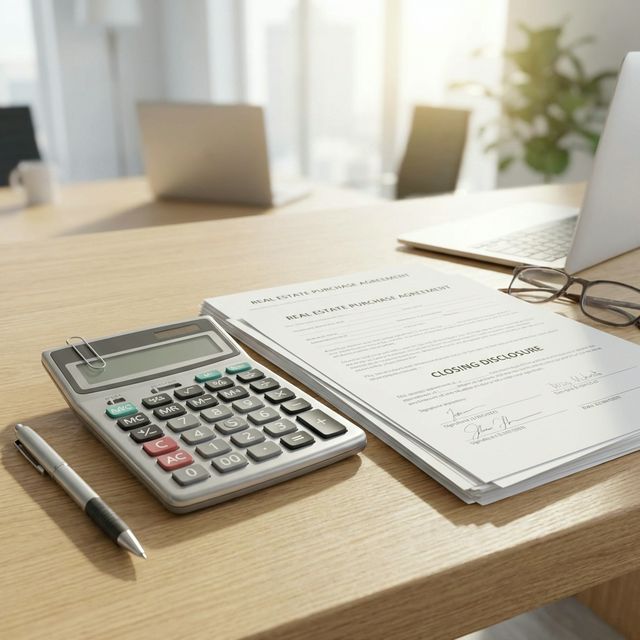
NJ Closing Costs Breakdown
On a $400,000 home in NJ, expect:
- Origination fee: 0-1% ($0-$4,000)
- Appraisal: $400-$600
- Attorney fees: $800-$1,500
- Title search & insurance: $1,500-$2,500
- Recording fees: $100-$200
- Prepaid interest/escrow: Varies by closing date
- Total closing costs: $8,000-$14,000
Typical NJ Home Buying Timeline
Phase 1: Preparation (Months 1-3)
- Check and improve credit score
- Calculate budget and save for down payment
- Research neighborhoods and get pre-approved
Phase 2: Home Search (Months 3-4)
- Find a buyer's agent
- View homes and narrow down options
- Make an offer and negotiate
Phase 3: Under Contract (Months 4-5)
- Complete inspections and negotiate repairs
- Finalize mortgage commitment
- Complete appraisal and title search
Phase 4: Closing (Month 5-6)
- Final walkthrough
- Sign closing documents
- Get your keys and move in!
10 First-Time Buyer Mistakes to Avoid
- Buying more house than you can afford - Stick to your budget, even if pre-approved for more
- Skipping the inspection - Never waive this contingency to save time or money
- Ignoring commute times - Visit during rush hour to test the actual drive
- Falling in love with cosmetics - Focus on location, condition, and layout
- Not researching the neighborhood - Visit at different times, check crime rates, talk to neighbors
- Making large purchases before closing - Wait on that car or furniture until after you close
- Changing jobs during the process - Lenders want employment stability
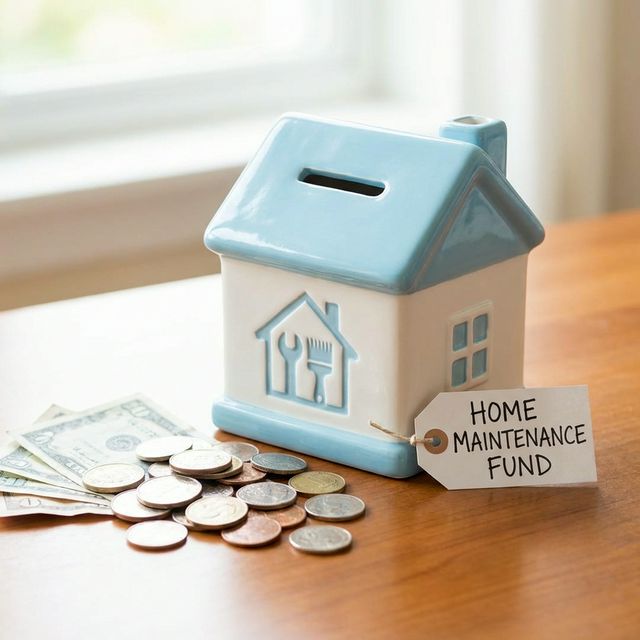
- Forgetting about ongoing costs - Budget for maintenance, repairs, and unexpected expenses
- Not negotiating - Everything is negotiable: price, closing date, repairs, included items
- Rushing the process - Take your time. This is likely the biggest purchase of your life.
The Bottom Line
Buying your first home in NJ is complex—but entirely manageable with the right preparation and team. Start early, get pre-approved, work with an experienced agent, and don't rush. The patience and preparation you invest now will pay off for years to come.
Ready to start your home buying journey? Let's connect and create a personalized plan for your first home purchase in Middlesex or Monmouth County.